Views: 0 Author: Site Editor Publish Time: 2026-10-10 Origin: Site


Low-Formaldehyde Melamine Foam — Comprehensive Upgrade of High-End Clean Application Solutions
In an era of accelerating high-end manufacturing upgrades, industries such as building acoustics, healthcare, consumer electronics, and semiconductor precision manufacturing no longer focus solely on basic physical properties like sound absorption, thermal insulation, and flame retardancy when selecting functional porous materials. They are now imposing increasingly stringent requirements on environmental safety, low emission, low odor, and stability across high and low temperature environments. Traditional melamine foam, despite its excellent sound absorption, thermal insulation, lightweight properties, and inherent flame retardancy thanks to its three-dimensional open-cell structure, suffers from shortcomings such as relatively high formaldehyde emission, strong inherent odor from the base material, and susceptibility to shrinkage and warping at high temperatures — limitations that prevent it from meeting the entry standards of high-end applications in enclosed spaces, medical clean environments, and precision electronic enclosures.
Addressing these industry pain points, Junhua New Materials, leveraging years of R&D experience in porous foam materials, has completed a new generation of modification technology and officially launched the Low-Formaldehyde Modified Melamine Foam. While fully inheriting all core performance attributes of traditional melamine foam, this product achieves a significant reduction in formaldehyde emission right at the resin source, optimizes odor performance, and overcomes the industry challenge of dimensional instability at high temperatures — providing a one-stop, high-performance, eco-friendly porous material solution for various high-cleanliness and high-safety industries.

Product Overview
Melamine foam, also known as nanofoam, is an open-cell polymeric foam material made from melamine-formaldehyde resin through a foaming and curing process. Conventional melamine foam, with its ultra-high open-cell rate, has long been widely used in building noise reduction and industrial equipment insulation. However, under traditional synthesis processes, the resin system retains some free formaldehyde. In enclosed environments and high-temperature conditions, aldehyde substances continuously release outward, producing pungent odors that not only affect living comfort but also cause corrosion of components in medical devices and precision electronics, and contamination of precision optical elements. Meanwhile, conventional products tend to shrink, collapse, or warp when continuously exposed to high temperatures, limiting their adoption in high-end applications.
Junhua's R&D team, focusing on these industry pain points, independently developed an improved low-aldehyde resin synthesis process that modifies and reconstructs the molecular structure of melamine resin, controlling the generation of free aldehydes at the raw material synthesis stage rather than relying on simple post-production adsorption treatments. This new-generation low-formaldehyde melamine foam does not sacrifice the material's inherent physical properties to achieve low formaldehyde indicators — it fully retains the core advantages of the original foam including sound absorption, thermal insulation, ultra-light weight, and inherent flame retardancy, while simultaneously achieving significant reductions in formaldehyde emission, improved high-temperature dimensional stability, and reduced base material odor. The product combines three core capabilities: safety and environmental protection, acoustic insulation, and weather resistance stability, meeting the stringent material standards of large public buildings, consumer electronics, semiconductor precision protection, and healthcare applications, providing downstream customers with a customizable, testable, and compliant porous foam material option.
As global supply chain environmental regulations continue to tighten, with RoHS, REACH, indoor building material environmental standards, and medical device supporting material specifications constantly updating, end-user brand enterprises have established strict entry thresholds for upstream materials regarding formaldehyde, volatile organic compounds (VOCs), odor levels, and thermal stability. In the past, many high-end projects were forced to abandon the excellent physical properties of melamine foam and instead choose heavier alternatives with inferior noise reduction and thermal insulation efficiency. The launch of Junhua's low-formaldehyde melamine foam fills the gap for high-performance melamine foam applications in high-end clean scenarios, making it possible to have a material solution that combines lightweight design, flame retardancy, efficient sound absorption and thermal insulation, and low-formaldehyde environmental protection.
Core Microstructure & Comprehensive Performance
Junhua's low-formaldehyde melamine foam retains the iconic three-dimensional interconnected open-cell microstructure of melamine foam, with an open-cell rate of up to 99.9%. Countless interconnected micro-pores constitute the material's main body. This microstructure is fundamental to the foam's sound absorption and thermal insulation functions: when sound waves enter the foam's interior, they continuously experience friction and energy loss within the interconnected pores, converting acoustic energy into heat that dissipates, achieving broadband sound absorption; meanwhile, the pores trap large amounts of still air, which serves as an excellent thermal insulation medium, delivering outstanding thermal insulation capability.

This modification and optimization focuses on the resin matrix level and does not compromise the foam's original three-dimensional open-cell skeleton. While achieving formaldehyde reduction and odor improvement, it does not sacrifice any core functions of traditional melamine foam — truly achieving the integration of environmental safety, acoustic thermal insulation, and high-temperature structural stability, breaking away from the common problem of some low-formaldehyde modified materials on the market where 'environmental performance goes up but physical performance goes down.' Below are the comprehensive technical parameters of the product:
Performance Dimension | Core Parameters | Detailed Description |
Formaldehyde Content | <75 mg/kg | Far superior to conventional melamine foam products; low free aldehyde content in the material body, low formaldehyde emission, no irritating dust, reducing the risk of environmental aldehyde accumulation |
Formaldehyde Emission | <0.08 mg/m³ | Ultra-low emission level; weak inherent odor from the base material; suitable for enclosed environments with limited ventilation such as indoor living spaces and medical sealed chambers |
Environmental Certification | RoHS / REACH Dual Certification | Strictly controls various restricted harmful volatile substances; meets access standards for high-end supply chains in Europe, America, and domestically; suitable for export-oriented product supporting needs |
Stable Temperature Range | -160℃ to +240℃ | Withstands wide temperature variations from extreme cold to high temperature; maintains dimensional stability under alternating high-low temperature conditions; no shrinkage, warping, or collapse under prolonged high-temperature exposure, solving the industry pain point of traditional melamine foam's high-temperature deformation |
Thermal Conductivity | ≤0.035 W/(m·K) | Excellent thermal insulation performance, superior to rock wool, glass wool and other traditional insulation materials; stable cold and heat barrier effect; not easy to condense in low-temperature environments; reliable thermal insulation protection in high-temperature environments |
Sound Absorption | NRC ≥ 0.85 | Relying on 99.9% ultra-high open-cell rate, achieves broadband efficient sound absorption; good absorption capability for both mid-low and high frequency noise; outstanding noise reduction effect |
Base Material Density | 8~12 kg/m³ | Extremely lightweight material, only 1/5 to 1/10 the weight of traditional insulation and sound absorption materials; when applied to building walls, ceilings, and internal equipment components, significantly reduces structural load and overall equipment weight |
Flame Retardancy Rating | UL94 V-0 / B1 | Inherently flame-retardant polymeric material; no need for additional flame retardant fillers; self-extinguishes quickly upon contact with fire; low smoke and no molten dripping during combustion; high fire safety rating, reducing fire hazards |
Beyond the core parameters in the table above, this foam also exhibits excellent anti-aging properties and is not prone to pulverization under normal usage conditions. The material is soft in texture and can undergo various secondary processing including cutting, die-cutting, adhesive backing, and lamination. Overall dust control performance is excellent with minimal shedding, making it suitable for environments with cleanliness requirements.
Four High-End Application Scenarios
Leveraging four core advantages — low formaldehyde, ultra-low substance emission, low odor, and wide-temperature-range dimensional stability — this foam precisely matches high-end segments with mandatory material safety and cleanliness requirements, covering four major tracks: construction, consumer electronics, precision industrial protection, and healthcare.
1. Large Public Buildings
Large public buildings include exhibition centers, stadiums, office buildings, hospital complexes, and school buildings. These venues have dense populations and varying indoor ventilation conditions, with walls and ceilings extensively using sound absorption and noise reduction materials. Traditional sound-absorbing materials either lack sufficient noise reduction performance or have environmental indicators that are difficult to control. Junhua's low-formaldehyde melamine foam can be used for interior wall filling and ceiling acoustic components. Its low formaldehyde emission characteristics comply with domestic indoor decoration environmental standards, and in long-term sealed indoor environments, it prevents continuous accumulation of aldehyde substances, safeguarding the health of living environments.
Meanwhile, the product's excellent temperature resistance performance also makes it suitable as an inner lining material for high-temperature ventilation ducts, providing both sound absorption and thermal insulation. Ventilation ducts experience temperature increases during operation; ordinary melamine foam tends to shrink and deform when heated, creating gaps inside the ducts that lead to noise reduction and insulation failure, or even detachment creating safety hazards. This product does not shrink or warp under high-temperature duct conditions, serving both duct noise reduction and thermal insulation functions simultaneously, making it suitable for central air conditioning ventilation systems and high-temperature exhaust systems. The material itself is extremely lightweight, and when applied to ceiling components, it does not impose excessive load on building ceiling structures. With flame retardancy reaching B1 level, it meets the stringent fire safety standards for public buildings.
2. Consumer Electronics
Consumer electronic products are increasingly trending toward thinner and lighter designs, with the internal cavity space becoming compact and sealed. During operation, circuit boards and chips generate continuous heat, raising the internal temperature. If the internal buffering and sound insulation materials have high formaldehyde or volatile organic compound content, these volatiles will accumulate within the sealed enclosure at elevated temperatures — on one hand corroding circuit boards and metal components, shortening the product's lifespan; on the other hand, over prolonged use, volatile substances may leak through seams, creating odor issues and affecting user experience.
Junhua's low-formaldehyde melamine foam, used as an internal sound insulation and buffering pad layer in electronic products, achieves low emission and low odor within sealed enclosures. The modified foam maintains dimensional stability under alternating hot and cold operating conditions, without thermal shrinkage, avoiding internal abnormal noise caused by material shrinkage and displacement. Meanwhile, the foam's lightweight characteristics also help reduce the overall weight of electronic products. Its inherent flame retardancy adds an extra layer of safety protection, making it suitable for use in projectors, high-power supply equipment, home audio-visual equipment, automotive electronic enclosures, and various other devices.
3. Precision Product Protection
Optical components and semiconductor devices are high-precision products with extremely stringent environmental cleanliness requirements throughout the entire process of production, storage, and transportation. If the protective lining materials release aldehydes and other volatile substances, they can easily form precipitate contamination on optical lens and chip surfaces, causing device performance degradation. If the lining materials deform under high or low temperature environments, they also lose their buffering and protective functions.
This low-formaldehyde melamine foam, with no irritating dust, low formaldehyde content, and low emission, does not contaminate precision components and can serve as protective lining for optical lenses and semiconductor devices. During storage environment temperature cycling, the foam body maintains its original form and dimensions, continuously providing buffering, shock absorption, sound absorption, and vibration isolation protection, safeguarding high-value precision devices and preventing quality losses from material volatile contamination.
4. Healthcare Applications
Medical scenarios demand extremely high safety levels for supporting materials. Diagnostic and therapeutic equipment, ward spaces, and medical instrument buffering materials all require low-irritation, environmentally safe materials. On one hand, wards are enclosed spaces where people stay for extended periods, and acoustic decoration materials must balance noise reduction with environmental protection. On the other hand, various medical equipment interiors are sealed enclosures, and when equipment generates heat during operation, material volatiles come into direct contact with internal components and may even indirectly contact patients.
Junhua's low-formaldehyde melamine foam can be used for diagnostic equipment sound insulation pads, ward acoustic decoration components, and medical instrument buffering materials. With low formaldehyde content, safety, no irritation, and controllable volatile substances, it meets the access requirements for medical clean materials. Simultaneously, the material's flame retardancy and lightweight properties also comply with hospital building fire safety standards, providing safe and reliable noise reduction and buffering materials for medical environments.
Full-Process Customized Processing Services
Different industries and different end products have vastly different requirements for foam specifications, dimensions, forms, and lamination processes. Junhua not only provides base foam materials but also supports full-spectrum personalized custom processing, providing one-stop solutions for various industry forming needs:
• Customizable base material density: Density can be customized within the 8~12 kg/m³ range. Density changes directly adjust the foam's hardness, sound absorption performance, and buffering performance to match different application scenario priorities.
• Standard boards and block materials in stock: Regular specification boards and block materials are kept in inventory, enabling rapid delivery to meet customer requirements for prototyping and batch stocking. Free sample shipping is supported for early-stage performance verification.
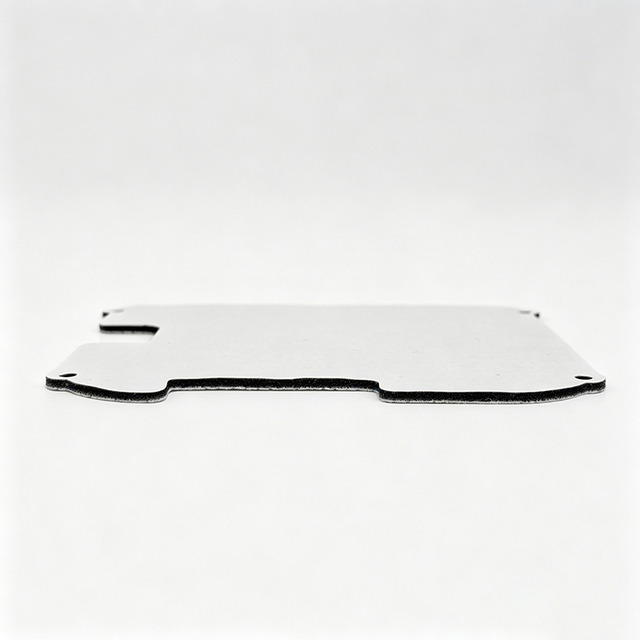
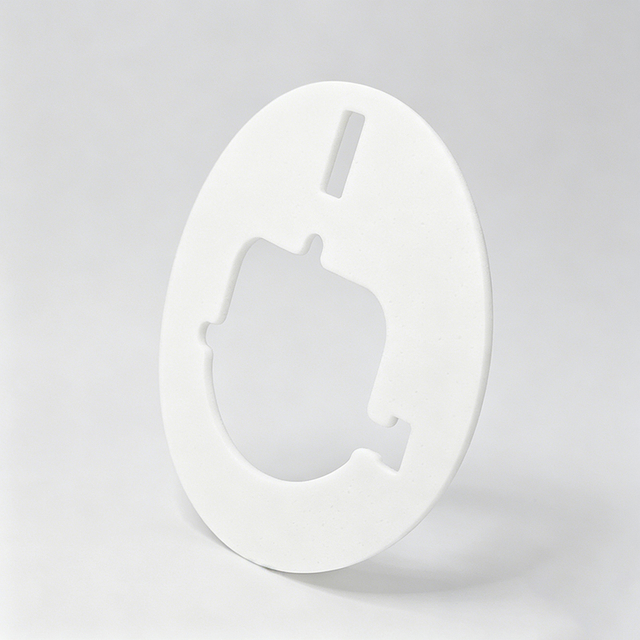
• Precision die-cutting: Precision die-cutting can be performed according to drawings, processing various irregular noise reduction parts and buffering components with high dimensional accuracy, reducing customers' secondary processing steps.
• Multi-layer lamination and adhesive backing integrated processing: Supports multi-layer lamination of foam with non-woven fabrics, flame-retardant films, and other materials. Adhesive backing treatment is also available. Finished products are ready for direct assembly, reducing downstream processing costs.
• Non-standard sizes and custom mold making for irregular shapes: Custom mold-making services are available for special non-standard dimensions and complex three-dimensional irregular components.
• Complete implementation solution output: For building acoustics, medical equipment, and consumer electronics industries, combined with customer project conditions, complete eco-friendly porous material implementation solutions are provided, offering professional advice from selection, parameter matching, to processing techniques.
Factory direct supply, eliminating intermediate links, with volume-based pricing advantages. Full-chain service from sample testing to batch supply for downstream customers.
Product R&D Vision & Brand Development Plan
Junhua has been deeply engaged in the R&D and manufacturing of functional porous foam materials for many years, continuously serving numerous downstream industries including construction, industrial equipment, and electronic supporting industries. In recent years, the environmental access thresholds for materials in global downstream industries have continued to rise. Building acoustics, medical devices, consumer electronics, and semiconductors have successively introduced mandatory and recommended standards for material formaldehyde emission, odor levels, and high-temperature dimensional stability. Traditional ordinary melamine foam, limited by resin processing technology, can no longer meet the compliance requirements of high-end customers. Extensive customer feedback indicates a desire for melamine foam's excellent sound absorption, thermal insulation, flame retardancy, and lightweight advantages, while being unable to resolve the three major pain points of formaldehyde, odor, and high-temperature shrinkage — the market lacks mature and reliable commercialized products.
It is precisely based on the real pain points and demands of the market that the company launched the low-formaldehyde melamine foam project. During the R&D process, the team repeatedly fine-tuned resin modification formulations, compared multiple synthesis processes, and conducted extensive high-low temperature cycling aging and long-term formaldehyde emission testing, avoiding the defect of merely meeting initial testing standards while indicators rebound under high-temperature sealed conditions. The launch of low-formaldehyde melamine foam is a core implementation product of the company's green and eco-friendly material innovation strategy. Relying on proprietary resin modification core technology, it simultaneously solves the two major industry pain points that have long existed: high-temperature shrinkage and high formaldehyde emission, breaking the application barriers of high-performance melamine foam in high-end clean scenarios.
Looking to the future, Junhua will continue to iterate on low-emission foam material technologies, continuously improving the third-party environmental testing system for the full product range, and continuously refining product stability. Guided by real market operating condition requirements, Junhua will continue to provide high-performance, low-formaldehyde, high-temperature stable, and compliant porous foam materials for industries including construction, healthcare, electronics, and precision manufacturing. Supporting downstream end-user brand enterprises in creating healthier, more compliant, and higher-quality end products, achieving collaborative upgrading across the industry chain.