Views: 0 Author: Site Editor Publish Time: 2026-09-02 Origin: Site


Application Scenarios of Melamine Foam
Melamine foam, with its unique three-dimensional open-cell structure and six core properties — sound absorption, thermal insulation, flame retardancy, lightweight, temperature resistance, and environmental friendliness — is playing an increasingly critical role across a growing number of industries. From grand stadiums to precision electronic devices, from high-speed rail trains to underground industrial pipelines, melamine foam, in its diverse application forms, permeates every aspect of modern industry and daily life.
This article systematically reviews the typical application scenarios of melamine foam across major fields, demonstrating how this versatile material delivers value in different industries and providing a reference for material selection and application across sectors.
Building acoustics is one of the most classic and mature application areas for melamine foam. As people's requirements for indoor acoustic environment quality continue to rise, and national standards for green buildings and healthy buildings keep tightening, melamine foam is becoming the material of choice for acoustic design in public buildings.
Professional acoustic spaces such as concert halls, theaters, recording studios, and cinemas have extremely demanding requirements for reverberation time, frequency response, and speech clarity. Melamine foam, with its broadband and high-absorption acoustic characteristics, serves as a core material for acoustic treatment in these spaces.
In concert halls, melamine foam is typically processed into wedge-shaped or pyramid-shaped absorbers, installed on walls and ceilings. These special shapes not only increase the effective absorption area but also diffuse reflected sound, making the sound field more uniform. By precisely controlling the number, layout, and thickness of the absorbers, acoustic designers can tune the reverberation time to the optimal value — neither too long (causing muddled sound) nor too short (making the sound field dry and lifeless).
In recording studios and broadcast rooms, melamine foam is used to control standing waves and flutter echoes, creating a pristine acoustic environment. Its dust-free, non-fibrous nature is especially important in recording environments with high cleanliness requirements — airborne fiber dust not only shortens equipment lifespan but can also enter recording devices and affect sound quality.
Large-span public buildings such as stadiums, exhibition centers, airport terminals, and high-speed rail stations present significant acoustic design challenges due to their enormous volume, complex sound sources, and long reverberation times. Traditional materials like glass wool and rock wool are often insufficient in these tall spaces and difficult to install and maintain.
Melamine foam is fabricated into spatial sound absorbers, suspended beneath building ceilings. These cloud-shaped absorber designs can significantly increase the absorption area without affecting building height or visual aesthetics, effectively shortening reverberation time. Meanwhile, the lightweight nature of melamine foam greatly reduces ceiling structural loads — for large-span buildings, this means better structural safety and cost efficiency.
In office buildings, schools, hospitals, and similar venues, melamine foam is used for wall and ceiling acoustic treatment, effectively reducing crowd noise and equipment noise while enhancing spatial comfort. Its flame retardancy meets the B1 standard, fully complying with domestic fire safety codes for public buildings, so users can enjoy a good acoustic environment without fire safety concerns.

With the rapid development of urban transportation, road noise has become an important factor affecting residents' quality of life. Traditional noise barriers typically use metal panels, acrylic boards, or concrete structures, which can block some sound but have limited effectiveness and a rather harsh visual appearance.
As a core material for noise barriers, melamine foam offers excellent mid-to-high frequency sound absorption, effectively absorbing tire friction noise and engine roar from traffic. Combined with metal or concrete shells to form an absorption + insulation composite barrier, noise reduction of 20–35 dB can be achieved. At the same time, melamine foam has good weather resistance, anti-aging properties, and water repellency, with an outdoor service life of over 15 years, making it an ideal choice for road noise barrier cores.
In the industrial sector, energy conservation and production safety are eternal themes. With its high-temperature resistance, excellent insulation, light weight, and ease of installation, melamine foam has become a preferred solution for industrial pipeline and equipment insulation and noise reduction.
Thermal pipelines and process pipelines often face two problems simultaneously: high heat loss and energy consumption, and flow noise and vibration noise from the pipeline fluid spreading through the pipes and affecting the workshop environment.
Traditional solutions typically require separate insulation and acoustic layers, involving multiple materials and multi-layer installation — not only costly and time-consuming, but also prone to gaps between layers that compromise effectiveness. Melamine foam combines insulation and sound absorption in one material, solving both problems with a single layer.
Melamine foam can be processed into pipe shells or rolls, directly wrapped around pipeline surfaces. For small-diameter pipes, pre-formed pipe shells are used for convenient and tight installation; for large-diameter or irregularly shaped pipes, rolls are used for on-site wrapping with flexible adaptation. After adding an aluminum foil facing, thermal reflection insulation is further enhanced, and the foam is protected from moisture and dust.
Since the material produces no debris or fiber dust, construction workers can handle it bare-handed without masks, gloves, or other special protective equipment, greatly improving construction efficiency.
Injection molding machines, die-casting machines, forging furnaces, heat treatment furnaces, generator sets, compressors, fans — heavy equipment in factories universally features high surface temperatures and loud operating noise. High temperatures not only waste significant thermal energy but also pose burn risks to operators; high-intensity noise endangers workers' hearing health and can lead to occupational disease disputes.
Melamine foam panels can be directly applied to the inner walls of equipment enclosures, forming a dual barrier of insulation and sound absorption:
Insulation layer: effectively blocks internal equipment heat from radiating outward, reducing workshop ambient temperature, lowering air conditioning energy consumption, and protecting operators from high-temperature burns.
Sound absorption layer: absorbs mechanical noise and airflow noise generated by equipment operation, reducing overall workshop noise levels and improving the working environment.
Compared with traditional insulation materials like asbestos and glass wool, melamine foam produces no dust pollution, does not lose effectiveness when exposed to moisture, maintains stable long-term performance, and has low maintenance costs.
Industrial control cabinets, electrical cabinets, inverter cabinets, heat exchange equipment, and other enclosed spaces have limited internal volume and densely packed electronic components, with high requirements for temperature control, noise control, and fire safety.
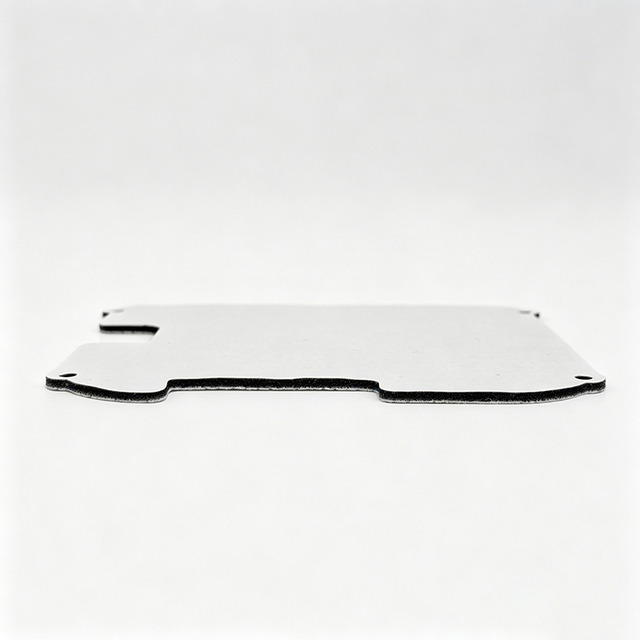
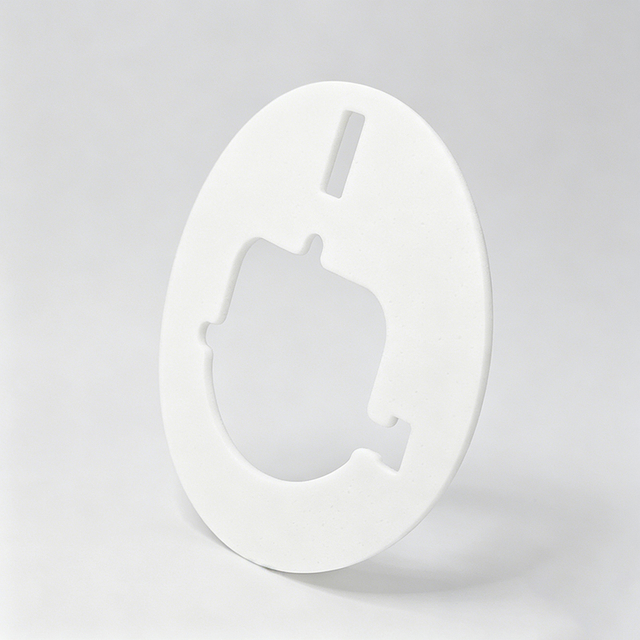
Melamine foam can be processed into precisely sized inner liners, attached inside cabinet interiors. The ultra-thin profile takes up virtually no internal space while simultaneously providing triple protection: insulation — blocking external temperature fluctuations and maintaining stable internal cabinet temperature; sound absorption — absorbing noise from fans and components, reducing the equipment's noise impact on the surrounding environment; flame retardancy — B1-rated flame retardancy ensures that in the event of an electrical fault fire, flame spread is effectively contained, buying time for power disconnection and fire suppression.
With the rapid development of new energy and energy storage, the application of melamine foam in energy storage stations, data centers, and similar scenarios is also growing rapidly, becoming an important material for ensuring the safe and stable operation of critical equipment.
Transportation vehicles have extremely demanding material requirements — they must be light, safe, and comfortable. Melamine foam happens to meet all three core demands of lightweight design, high fire safety, and low noise, and has therefore been widely adopted in automotive, rail transit, marine, and aerospace applications.
The NVH (Noise, Vibration, and Harshness) performance of the automotive industry is directly linked to driving experience and product quality. At the same time, the adoption of new energy vehicles brings new challenges — battery thermal management and high-frequency motor noise.
Key applications of melamine foam in automobiles include: roof/ceiling filling, efficiently absorbing road noise and wind noise while reducing roof weight; door panels, pillars, trunk, and other cavity filling, weakening the transmission of external noise into the cabin; hood/engine bay insulation and sound absorption pads, blocking high temperature and noise from the engine compartment from reaching the cabin, protecting surrounding plastic parts and wiring harnesses; battery pack protection, combined with aerogel composite modification to form an ultra-thin insulation layer for thermal protection of power batteries, delaying heat spread during cell thermal runaway.
Melamine foam products compliant with the IATF 16949 automotive industry quality system standard feature low VOC and low odor, are friendly to in-cabin air quality, and are the preferred matching material for OEMs and Tier 1 suppliers.
High-speed rail, metro, light rail, trams, and other rail transit vehicles have arguably the strictest fire safety requirements of any industry. Materials used in rail transit must pass rigorous fire tests such as EN 45545, covering combustibility, smoke density, smoke toxicity, and other dimensions.
The inherent flame retardancy and low-smoke, non-toxic performance of melamine foam perfectly align with the fire safety requirements of the rail transit industry. Its applications in rail transit include: ceiling, side wall, and end wall filling for cabin interiors, combining noise reduction with fire protection; custom-shaped acoustic components for driver's cabins and passenger areas, targeting wheel-rail friction noise and air conditioning system noise; HVAC duct liners and silencers, reducing airflow noise from ventilation systems; equipment bay electrical cabinets and traction converter liners, providing triple protection of insulation, sound absorption, and flame retardancy.
Lightweight is another important consideration in rail transit. With a density of only 8–12 kg/m³, melamine foam reduces weight by over 50% compared to traditional acoustic materials, helping to lower vehicle weight, improve transport efficiency, and reduce energy consumption.

Ships and offshore platforms are exposed to high-humidity, high-salt-spray marine environments for extended periods, placing extremely high demands on material weather resistance, corrosion resistance, and fire performance.
Melamine foam has good chemical stability, is resistant to acids, alkalis, and salt spray, and does not absorb water, making it suitable for marine environments. Its applications in ships include: cabin insulation and soundproofing, machine room noise reduction, pipeline insulation, and cabin decoration. Its fire performance meets relevant IMO (International Maritime Organization) standards, and its low-smoke, non-toxic characteristics are especially critical in enclosed ship cabins — in the event of a fire, evacuation time for crew and passengers is vital.
In the home appliance, electronics, and energy storage industries, products are trending toward thinner, smarter, and safer designs. Internal spaces are becoming more compact, yet material performance requirements are increasing. Melamine foam, with its ultra-thin form and multiple performance benefits, is finding more and more applications in these fields.
Air conditioners, range hoods, washing machines, dishwashers, refrigerators — modern homes contain more and more appliances, and noise issues are receiving increasing consumer attention. Noise levels have become an important indicator of appliance quality.
Typical applications of melamine foam in home appliances include: air conditioner housing inner walls and duct liners, absorbing fan airflow noise and compressor operating noise; range hood fan volute surroundings and body cavity filling, reducing aerodynamic noise during high-speed fan operation; dishwasher and washing machine drum exteriors and door liners, reducing water impact noise and motor noise during washing cycles; refrigerator compressor compartment insulation and body thermal insulation, reducing operating noise while improving insulation performance.
Beyond noise reduction, the thermal insulation and flame retardant properties of melamine foam also provide additional safety assurance for appliances. The compact internal spaces and densely packed components mean that in the event of an electrical fault, flame-retardant materials can effectively prevent fire spread and reduce safety risks.
With the adoption of mobile electronic devices and the development of fast-charging technology, portable energy storage products (power banks, outdoor power supplies, etc.) are becoming more powerful and charging faster. This brings heat dissipation and safety challenges — high-power fast charging generates significant heat, and if not effectively insulated, housing temperatures can rise to levels that affect user experience or even pose safety risks.
Aerogel composite-modified melamine foam is an ideal insulation material for portable energy storage devices: ultra-thin and lightweight, with thermal conductivity as low as 0.015 W/(m·K), a thin layer achieves excellent insulation without occupying precious internal space; flexible and processable, can be die-cut into any shape to perfectly fit the gap between battery and housing; inherently flame retardant, even if the battery experiences thermal runaway, it can effectively block flame and high temperature, enhancing product safety; cushioning protection, the foam itself is elastic and can provide buffering during drops, protecting internal cells.
According to the GB 4943.1-2022 standard, the surface temperature of non-metallic housings for electronic products must not exceed 48°C. Using aerogel composite melamine foam as an insulation layer can effectively reduce housing surface temperature, helping products pass 3C safety certification.
Precision measuring instruments, medical equipment, industrial control equipment, communication base stations, and similar devices have high requirements for temperature stability and noise control in their working environments. External temperature fluctuations can affect measurement accuracy, while fan noise can impact normal device operation.
Applications of melamine foam in precision equipment include: cavity filling — installed on equipment housing inner walls to isolate external temperature interference and maintain internal temperature stability; duct sound absorption — used as cooling duct liners, reducing fan and airflow noise without affecting ventilation and heat dissipation; flame retardant insulation — used as a protective layer around circuit boards, improving the electrical safety performance of equipment.

HVAC systems are the respiratory system of modern buildings, but they are also one of the primary noise sources. Fan noise, airflow noise, duct vibration noise — these sounds travel through ductwork to every room, affecting indoor comfort.
The inner walls of central air conditioning ducts are typically smooth metal surfaces. Sound reflects back and forth within the duct, not only decaying slowly but also prone to standing waves and resonance. Traditional noise control measures involve installing silencers in ducts, which takes up building space and increases air resistance.
Melamine foam duct liners offer a more efficient and compact solution: full-length absorption — the foam is directly applied to duct inner walls, continuously absorbing noise along the entire duct length, with significantly higher noise reduction than point silencers; low resistance — the open-cell structure is breathable with a certain roughness, not significantly increasing air resistance and having minimal impact on air conditioning airflow; insulation and energy saving — simultaneously providing duct insulation, reducing thermal energy loss in ducts and lowering air conditioning operating energy consumption; fire safety — B1-rated flame retardancy, compliant with fire safety requirements for ventilation and air conditioning systems.
For applications with high cleanliness requirements, melamine foam duct liners can be covered with a breathable non-woven protective film on the surface, maintaining acoustic performance while preventing fiber shedding and ensuring air quality.

Fans, heat pumps, cooling towers, heat exchange stations, and other HVAC equipment are typically concentrated in machine rooms, where noise levels often reach 80–95 dB — a major noise problem area in buildings. If not properly managed, noise spreads through walls, ducts, and ventilation openings to surrounding areas.
Applications of melamine foam in machine room noise reduction include: wall sound absorption — melamine foam acoustic panels applied to machine room walls and ceilings, reducing reverberation noise within the room; equipment soundproof enclosures — constructing enclosures for high-noise equipment with metal outer panels for sound insulation and melamine foam inner lining for sound absorption, achieving significant noise reduction; fan silencers — installing silencers at fan inlet and outlet, using melamine foam as the acoustic core material, effectively reducing aerodynamic noise.
Since melamine foam can withstand temperatures up to 240°C, it can be used stably even in the high-temperature exhaust systems of heat pump units, without deformation or performance degradation due to heat.
In modern buildings, noise from MEP systems (HVAC, plumbing, electrical) is an important factor affecting indoor environmental quality. Elevator shafts, pipe shafts, pump rooms, and heat exchange stations are common noise sources.
Melamine foam can serve as a core material for comprehensive noise reduction solutions, applied in: elevator shafts — attached to shaft inner walls, absorbing mechanical noise and airflow noise from elevator operation, reducing impact on adjacent rooms; pipe shafts — wrapping pipes and filling shaft spaces, weakening the propagation of fluid noise within pipes; ceiling cavities — filling the cavities above ceilings, absorbing noise transmitted from the equipment layer above.
Shanghai Junhua New Materials Co., Ltd. is a national high-tech enterprise specializing in the R&D, production, and sales of melamine foam, with full-chain capabilities from raw materials to finished products:
• Technical expertise: 23 independent R&D patents and 7 registered trademarks.
• Quality assurance: UL certified, IATF 16949, ISO 9001/14001/45001, BSCI certified — accepted globally.
• Production capacity: annual capacity of 100,000 m³, warehouse area of 20,000 m², multiple slab/vertical/die cutting machines, stable delivery.
• Custom processing: die cutting, composite lamination, custom shaping, hydrophobic treatment, aerogel composite — meeting diverse requirements.
• Industry applications: aerospace, new energy vehicles, rail transit, industrial insulation, building acoustics.