Views: 0 Author: Site Editor Publish Time: 2026-10-20 Origin: Site


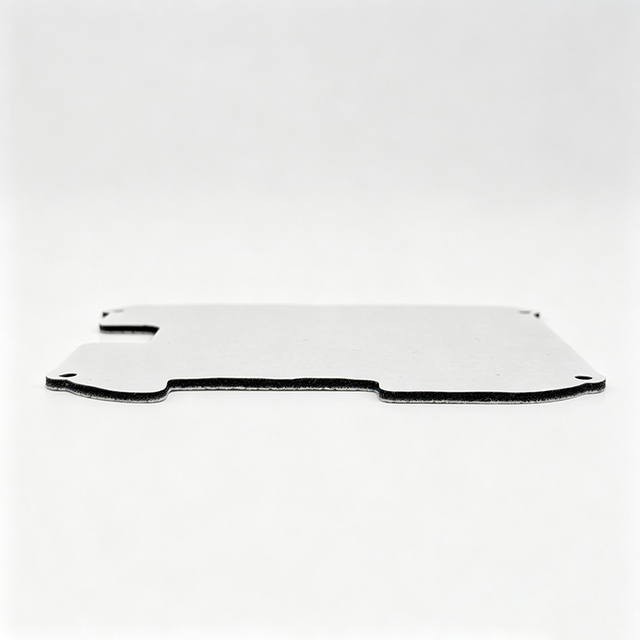
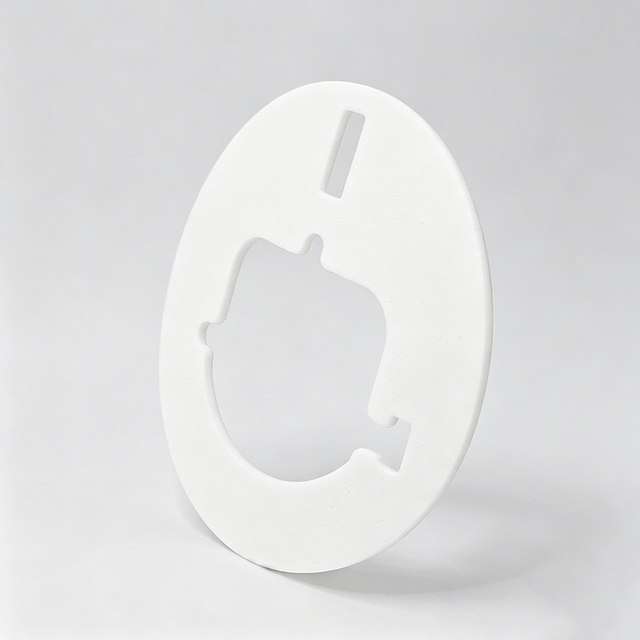
Melamine Foam Sealing Foam
A New Sealing Solution Integrating Sound Insulation, Thermal Insulation, Flame Retardancy, and Moisture Resistance
In various sealing scenarios such as electromechanical wall-penetrating holes, equipment gaps, pipeline clearances, and energy storage cabinet gaps, traditional rock wool and rubber sealing materials often suffer from pain points such as flammability, powder shedding, poor insulation, air permeability, and failure due to moisture: rock wool fibers are loose and easily fall off as powder, and long-term use makes them prone to water absorption, moisture, and significant attenuation of insulation performance; ordinary rubber-plastic materials are flammable when exposed to fire, have poor weather resistance, and are difficult to simultaneously meet multiple sealing needs such as fire prevention, insulation, sound insulation, moisture resistance, and air barrier. Whether it's fire separation of building electromechanical pipelines or protective isolation of new energy storage equipment, the quality of the sealing link directly affects overall safety and energy efficiency performance. Once handled improperly, it can lead to increased energy consumption and noise disturbance in mild cases, or pose safety hazards such as fire, moisture, and short circuits in severe cases. As building energy efficiency, fire safety, and new energy equipment protection requirements continue to increase, the market has an increasingly urgent demand for high-performance, multi-functional composite sealing materials.
Melamine foam sealing foam relies on a three-dimensional network molecular structure, integrating multiple advantages of high-efficiency sound insulation, thermal insulation, intrinsic flame retardancy, and moisture-proof air barrier. From base material to modification process, it achieves comprehensive upgrades, becoming a new high-performance environmental protection material in the field of industrial sealing. It provides a one-stop comprehensive solution for hole and gap sealing, helping users solve multiple sealing pain points at once with simpler construction and more reliable performance.

1. Core Inherent Advantages of Base Material, Laying the Foundation for Sealing
The melamine foam body itself has a 99.9% ultra-high open-cell three-dimensional network structure, with stable structure and balanced performance. Its basic performance comprehensively adapts to sealing working conditions. Whether it's thermal insulation, fire prevention, noise reduction, or environmental protection, the inherent performance advantages of the material have laid a solid foundation for professional sealing applications. This is also the key to distinguishing it from traditional single-function sealing materials, allowing the sealing foam to play a stable role in complex working conditions over the long term.
(1) Thermal Insulation, Blocking Heat and Cold Conduction
The material has a thermal conductivity as low as 0.035 W/(m·K), far superior to traditional sealing fillers such as rock wool and glass wool, with outstanding thermal insulation performance. The temperature resistance range covers -160°C to +240°C. The structure does not shrink or become brittle in extreme high and low temperature environments, and can serve stably for a long time. From deep cold cold chains and underground pipelines to high-temperature workshops and industrial equipment, it can easily cope with extreme temperature tests. When used for pipeline wall penetration and electrical cabinet gap sealing, it can effectively block the conduction of hot and cold air across holes, avoid energy loss caused by thermal bridges, stabilize the internal temperature environment of equipment, ensure stable equipment operation, and also help building and industrial systems save energy and reduce consumption. In the long run, stable thermal insulation performance can also avoid energy consumption rebound caused by material aging, effectively reducing full lifecycle operating costs.
(2) Intrinsic Flame Retardancy, Upgrading Sealing Fire Safety
Melamine foam does not require additional flame retardant agents. Relying on its molecular structure, it can achieve UL94 V-0 and B1-level flame retardancy standards. When exposed to open flames, it quickly forms a dense carbonization barrier layer, and immediately self-extinguishes when removed from the fire. There is no molten dripping during the combustion process, and it produces low smoke and is non-toxic, fundamentally ensuring the safety of the sealing part in the event of a fire. The material itself is not easy to become a combustion-supporting medium for the spread of fire. Compared with flammable rubber-plastic sealing strips, once a fire occurs in pipelines and cable wall-penetrating holes, the foam sealing layer can effectively block the spread of flames and smoke along the gaps, cut off the fire diffusion channel in time, build a solid fire separation line for buildings and equipment, and maximize the protection of personnel and property safety. Sealing parts are often key nodes in fire separation. The intrinsic flame retardancy of the material ensures that the sealing layer always has a reliable fire-resistant barrier function in a fire.
(3) Broadband Sound Absorption and Noise Reduction, Eliminating Gap Sound Transmission
The noise reduction coefficient NRC ≥ 0.85, and the ultra-high open-cell structure can efficiently absorb air-borne noise. Wall-penetrating gaps in areas such as building machine rooms, central air conditioning pipelines, and energy storage compartments are often the main channels for noise propagation. After filling with melamine sealing foam, it can effectively block the mutual transmission of sound waves along the holes, significantly reduce cross-regional noise interference, and create a quiet and comfortable working and living environment. In noise-sensitive places such as machine rooms and equipment layers, the sealing foam can significantly improve the acoustic environment, reduce interference with adjacent functional areas and residential areas; its acoustic performance, combined with dense sealing technology, can also simultaneously take into account "sound insulation" and "wind insulation", truly achieving the unity of sealing and silence.
(4) Lightweight and Environmental Protection, No Hidden Dangers for Long-term Use
The material has a density of only 8~12 kg/m³, about 1/5 to 1/10 the weight of traditional sealing fillers. It will not add extra load to walls, cabinets, and pipelines, and is more convenient to handle and install, effectively reducing construction and transportation difficulty and saving comprehensive engineering costs. The product has passed RoHS and REACH environmental protection certifications, with zero formaldehyde and no powder shedding. Contact with metal and cable insulation layers is non-corrosive and non-irritating. Long-term use indoors and in enclosed equipment is pollution-free, green, safe, and reassuring to use. As a green environmental protection material, melamine foam sealing foam is in line with the industry's green and low-carbon development trend, helping enterprises promote green factory construction and ESG goals, while meeting protection needs and taking into account environmental responsibilities.
Core Performance Parameters of Base Material
Parameter Item | Indicator Value | Description |
Open Cell Rate | 99.9% | Three-dimensional network structure |
Thermal Conductivity | ≤ 0.035 W/(m·K) | Normal temperature conditions |
Operating Temperature | -160°C ~ +240°C | Long-term stability |
Flame Retardancy Grade | UL94 V-0 / B1 | Intrinsic flame retardancy |
Noise Reduction Coefficient NRC | ≥ 0.85 | Broadband sound absorption |
Density | 8~12 kg/m³ | Ultra-lightweight |
Environmental Certification | RoHS / REACH | Zero formaldehyde, dust-free |
2. Exclusive Sealing Modification: Moisture-proof Sealing, Efficiently Blocking Airflow
Ordinary sound-absorbing melamine foam has strong air permeability. The dedicated sealing foam optimized for sealing scenarios focuses on strengthening the two core sealing needs of moisture resistance and airflow blocking, precisely solving the industry's long-standing pain points, and completing the functional upgrade from "general sound-absorbing material" to "professional sealing material." Through dense modification and hydrophobic treatment, while retaining the excellent performance of the base material, the product makes up for the shortcomings of traditional foam that is easy to breathe and absorb water, making the sealing truly seamless and long-term reliable.
(1) Dense Modified Structure, Blocking Air Convection
In response to the problems of air leakage from holes and cross-flow of hot and cold air, the sealing melamine foam has undergone pressing and dense modification treatment. The fine network pores form a multi-layer air barrier. After filling pipeline wall penetrations and equipment box gaps, it can completely block the free flow of air, fundamentally eliminating air leakage and cross-flow phenomena, achieving true airtight sealing: air conditioning and ventilation pipeline wall penetration sealing prevents hot and cold air flow from leaking from gaps, reduces air conditioning energy consumption, and improves system energy efficiency; energy storage battery compartment and electrical control cabinet gap sealing isolates air convection inside and outside the compartment, avoids the continuous intrusion of external dust and hot and humid air flow into internal components, reduces the risk of condensation and short circuits, and ensures equipment safety; building partition hole sealing blocks drafts and outdoor air flow from infiltrating indoors, improving space airtightness and comfort. The improvement of airtightness not only reduces energy loss, but also effectively prevents the cross-flow of harmful gases, dust, and moisture between regions, ensuring environmental cleanliness and equipment safety, which is especially important for precision equipment and enclosed spaces.
(2) Hydrophobic Moisture-proof Characteristics, Resisting Water Vapor Penetration
The modified sealing foam has excellent hydrophobic moisture-proof performance, different from the shortcomings of ordinary foam that easily absorbs water and has a sharp drop in insulation and flame retardancy performance after water absorption. It maintains stable performance in humid environments: water vapor is difficult to penetrate into the interior of the foam. After filling holes in humid basements, outdoor pipeline wells, and underground machine rooms, it will not increase in weight or collapse due to water absorption, maintaining its complete form in the long term; it maintains a stable insulation value, and the thermal conductivity will not rise significantly after being affected by moisture, continuing to effectively block heat and cold conduction; it prevents water vapor from penetrating into the interior of rooms and electrical equipment along gaps, avoiding hidden dangers such as wall moisture and mold, metal pipeline rust, and circuit board condensation failures; the structure does not deform in dry-wet cycle environments, and the sealing gaps do not shrink or crack, maintaining a sealed air barrier effect for a long time, and is durable. In outdoor and underground scenarios that are easy to be damp, the hydrophobic moisture-proof performance ensures the long-term stability of the sealing layer, reduces later rework and maintenance costs, and significantly improves the overall life and reliability of the project.
3. Multi-scenario Sealing Application Value
Relying on comprehensive performance advantages such as thermal insulation, flame retardancy, sound insulation, moisture resistance, and air barrier, melamine foam sealing foam can be widely used in various sealing scenarios in industries such as industry, construction, and new energy. One material simultaneously meets multiple requirements, effectively replacing the traditional combination of multiple materials, simplifying construction, reducing comprehensive costs, and providing a one-stop solution to multiple hidden dangers such as air leakage, sound transmission, heat conduction, fire, moisture and rust in holes and gaps.
(1) Building Electromechanical Wall Penetration Sealing
Cable, water supply and drainage, and air duct wall penetration hole filling, integrating fire prevention and flame retardancy, sound insulation and wind insulation, and moisture resistance, taking into account fire protection regulations and airtight energy efficiency requirements, providing reliable separation and multiple protections for building electromechanical systems, helping building safety and energy-efficient operation, and is a reliable supporting material in building fire protection and energy efficiency acceptance.
(2) Energy Storage / Electrical Equipment Gap Sealing
Battery PACK, power distribution cabinet, and energy storage compartment shell gap filling, effectively blocking internal and external air flow, isolating hot and humid environments, while having flame retardant and explosion-proof, and noise reduction performance, reducing the risk of condensation, short circuits, and thermal runaway from the source, meeting the high standards of flame retardancy and protection requirements in the new energy field, and ensuring the safe and stable operation of energy storage and electrical equipment.
(3) HVAC System Sealing
Air conditioning pipeline and fan box joint filling, blocking hot and cold air flow leakage, with both thermal insulation and noise reduction functions, reducing condensation and dripping phenomena, can be widely used in various civil and industrial HVAC systems, improving system energy efficiency and operating quality, and reducing later maintenance costs.
(4) Industrial Equipment Cabinet Sealing
Fan, air compressor, and refrigeration unit cabinet joint filling, reducing equipment noise leakage, blocking hot and cold air flow, reducing equipment energy consumption, while improving workshop working environment, helping industrial enterprises reduce costs and increase efficiency, and improving overall equipment operating efficiency and service life.
4. Summary
Melamine foam sealing foam breaks through the limitation of single performance of traditional sealing materials. The base material itself has the advantages of thermal insulation, sound absorption, intrinsic flame retardancy, and lightweight environmental protection. Through special modification, it achieves core sealing functions such as moisture resistance and airflow blocking, providing a one-stop solution to multiple hidden dangers such as air leakage, sound transmission, heat conduction, fire, moisture and rust in holes and gaps.
The product takes into account multiple needs such as fire safety, energy-efficient airtightness, equipment protection, and long-term environmental protection. It has comprehensive performance and wide applications. It is a high-performance comprehensive solution for hole sealing in the fields of industry, construction, and new energy, providing reliable protection for various harsh sealing scenarios.