Views: 0 Author: Site Editor Publish Time: 2026-09-04 Origin: Site


Melamine sponge: a comprehensive solution for high-performance sound-absorbing and thermal insulation for industry and construction
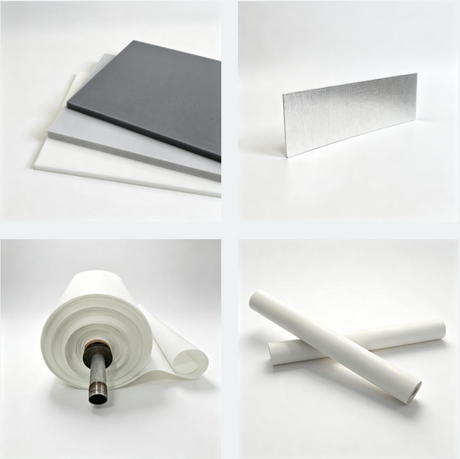
Melamine sponge is a thermosetting open-cell foam material prepared from melamine resin through a special foaming process. It forms an interconnected three-dimensional network skeleton structure internally, with an open porosity rate of up to 99.9%. A large number of interconnected micron-level pores form the physical basis of material properties.
Unlike closed-cell foam materials that can only provide cushioning and insulation and are difficult to absorb noise, and different from fiber insulation materials that rely on fiber stacking to achieve sound absorption and heat insulation, the pores of melamine sponge are completely interconnected. Sound waves can penetrate the surface of the material and penetrate deep into the foam, repeatedly rubbing and oscillating between countless micropores, converting sound energy into heat energy for dissipation; the still air sealed in the pores can effectively block heat conduction, achieving excellent thermal insulation effect; and the chemical molecular structure of the resin skeleton itself, which is rich in nitrogen, gives the material inherent flame retardant capabilities, and does not require the addition of additional flame retardants to meet stringent fire protection standards.
It is this dual blessing of structure and chemical properties that allows melamine sponge to simultaneously take on the five core capabilities of sound absorption, heat insulation, flame retardancy, lightweight, and environmental protection. During project selection, many projects often need to meet the three rigid indicators of acoustic noise reduction, thermal insulation and energy saving, and fire safety. In the past, only multiple layers of sound-absorbing materials, thermal insulation materials, and flame-retardant auxiliary materials could be used. This not only increases the weight of the structure and increases the difficulty of construction, but also tends to cause gaps between the multiple layers of materials, affecting the overall effect. A single material of melamine sponge can realize multiple functions at the same time, simplifying the design scheme, reducing the types of materials, and reducing the construction process, which provides great convenience for engineering design.
Melamine sponge can quickly open up the market, and its core comes from five hard-core performance indicators, each of which directly addresses the industry pain points of traditional materials.
The NRC noise reduction coefficient of the material is ≥0.85, and can reach up to 0.95. Relying on the ultra-high opening rate of 99.9%, it has strong absorption ability for mid- and high-frequency noise. With a reasonable thickness, it also has a good processing effect on low-frequency noise. After sound waves enter the interior of the sponge, they will not undergo a large number of reflections on the surface. Instead, they will enter the depths of the pores and consume sound energy through friction between the air and the pore walls, effectively reducing the spatial reverberation time and improving the acoustic environment.
Whether it is noise from factory equipment, echo in public building spaces, or abnormal noise from the operation of household appliances, it can all be effectively managed.
The thermal conductivity of melamine sponge is as low as 0.035 W/(m·K). The pores trap still air, effectively blocking heat transfer, and its thermal insulation performance is better than that of a large number of conventional insulation materials.
When used in high-temperature equipment and industrial pipelines, it can reduce heat loss and improve energy utilization. Under actual measurement conditions, it can increase the efficiency by more than 20%, reduce the ambient temperature of the workshop, and avoid the risk of personnel burns caused by high-temperature surfaces. When used in construction and home appliances, it can also reduce the loss of hot and cold energy to achieve energy conservation.
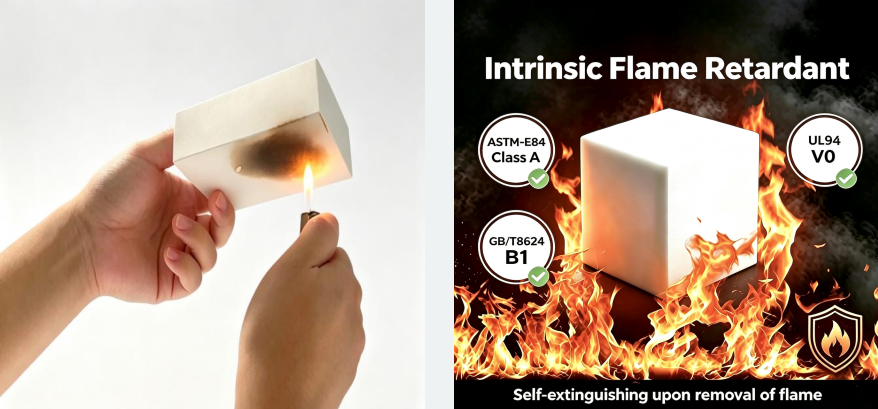
This is the most critical feature that distinguishes melamine foam from most polymer foams. Melamine sponge does not need to add any chemical flame retardants. It relies on the molecular structure of the resin matrix itself to achieve flame retardancy and reaches the B1 flame retardant grade standard.
When exposed to an open flame, the surface of the material quickly carbonizes to form a protective layer, which blocks oxygen from further burning inward, so that it carbonizes when exposed to fire and extinguishes immediately after leaving the fire. There is no molten dripping during the combustion process, low smoke production, and low release of toxic and harmful gases, which can greatly reduce the risk of secondary injuries after a fire occurs.
The flame retardant performance of many ordinary foam products relies on the addition of flame retardant additives. After long-term aging and high temperature environment, the flame retardant effect will attenuate and lose effectiveness. However, due to the inherent flame retardant properties of melamine sponge, the flame retardant performance will not decrease with the service life, and the entire life cycle is safe and stable.
The density of the finished product of melamine sponge is only 8-12 kg/m³, compared with the density of rock wool and glass wool of 30-100 kg/m³, and the weight is only 1/5 to 1/10 of traditional fiber insulation materials.
In scenarios where sound-absorbing components are suspended from ceilings of large buildings, interior interiors, and equipment shell linings, the material"s dead weight is reduced, which can significantly reduce the load on the building body and equipment structure, and reduce structural design costs. At the same time, the material is soft in texture, easy to transport rolls and sheets, and can be easily cut and processed on site, reducing the burden of manual construction.
The product has passed RoHS and REACH international environmental certifications and achieves zero formaldehyde release. The overall structure is a cured resin skeleton. There is no problem of fibers falling off and powder, no irritating dust, and no harm to the operator"s skin and respiratory tract.
Compared with rock wool and glass wool, fibers fly during construction, which can easily cause skin itching and allergies; ordinary polyurethane foam easily releases VOC volatile substances, and melamine sponge can be used safely for a long time even in closed and narrow spaces such as office buildings and home appliance cavities. The material has excellent anti-aging properties and has a service life of ≥20 years under normal working conditions, which is much higher than traditional sound-absorbing and heat-insulating materials.
Performance indicators | melamine sponge | Rock wool/glass wool | polyurethane foam |
Sound absorption NRC coefficient | 0.85‑0.95 | 0.6‑0.75 | 0.5-0.7 |
Flame retardant grade | Class B1 (intrinsically flame retardant, no additives) | The base material is non-flammable and depends on formula modification | It is inherently flammable and requires the addition of flame retardants |
density | 8‑12 kg/m³ | 30‑100 kg/m³ | 30‑50 kg/m³ |
Environmental protection | Zero formaldehyde, no dust, no fiber loss | Easy to lose fiber, fiber irritates the skin | Contains VOC and releases toxic fumes when burned |
Service life | ≥20 years | 5-10 years, performance will decay rapidly after getting wet | 8-12 years |
comprehensive cost | The purchase unit price is medium and the whole life cycle is cost-effective. | Low initial cost, high maintenance and replacement cost in the future | Medium, the cost of auxiliary materials increases under fire protection conditions |
At present, melamine sponge has deeply penetrated into the three major sectors of industrial manufacturing, construction engineering, and electronic home appliances, providing integrated solutions for noise reduction, heat insulation, and fire protection based on the real working conditions and difficulties of each industry.
In modern factories, industrial high-temperature pipelines, injection molding machines, die-casting machines, generator sets, and various types of fan equipment generally face several difficult problems: a large amount of heat is lost during equipment operation, and the energy consumption of the factory remains high; the noise of equipment operation exceeds the standard, and the working environment of the workshop is harsh; the temperature of the equipment shell is too high, and there is a risk of burns to workers; after traditional rock wool and glass wool wrap the pipes, fiber dust is scattered everywhere, and fiber debris accumulates in the gaps of the equipment, requiring regular cleaning and maintenance. The insulation layer quickly fails under humid conditions, and repeated replacement of materials and labor costs remain high.
Melamine sponge flexible rolls can be bent freely, can tightly wrap industrial pipes of different sizes and diameters, and fit the surface of special-shaped equipment. After being composited with aluminum foil, the heat insulation and moisture-proof capabilities are further improved, and the heat insulation efficiency is increased by more than 20%. It locks in the heat of the equipment, reduces energy loss, and at the same time reduces the radiated temperature of the equipment to avoid scalding accidents.
At the same time, the foam absorbs the noise generated by equipment operation, improves the acoustic environment in the workshop, and helps companies meet industrial noise emission standards. The material has no fiber, no slag, no dust accumulation, and reduces later maintenance work. Even in industrial environments with large temperature fluctuations, it can still work stably for a long time, reducing downtime losses caused by frequent replacement of insulation materials, and truly reducing costs and increasing efficiency for industrial projects.
For public building projects such as gymnasiums, theaters, large shopping malls, office buildings, convention and exhibition centers, and elevated road sound barriers, strict requirements are put forward for acoustic effects, fire protection levels, and lightweight structures during the design stage. The space of large venues is wide. If the acoustic treatment is not in place and the reverberation time is too long, there will be noisy echoes and poor speech intelligibility, which will seriously affect the experience of performances, conferences, and activities. Shopping malls and office buildings have dense crowds, and strict fire regulations require that ceilings and cavity filling materials must meet corresponding flame retardant standards. At the same time, hanging acoustic components and elevated sound barriers on the ceiling need to control the weight of the materials, reduce the burden on the main structure, and take into account wind and earthquake resistance.
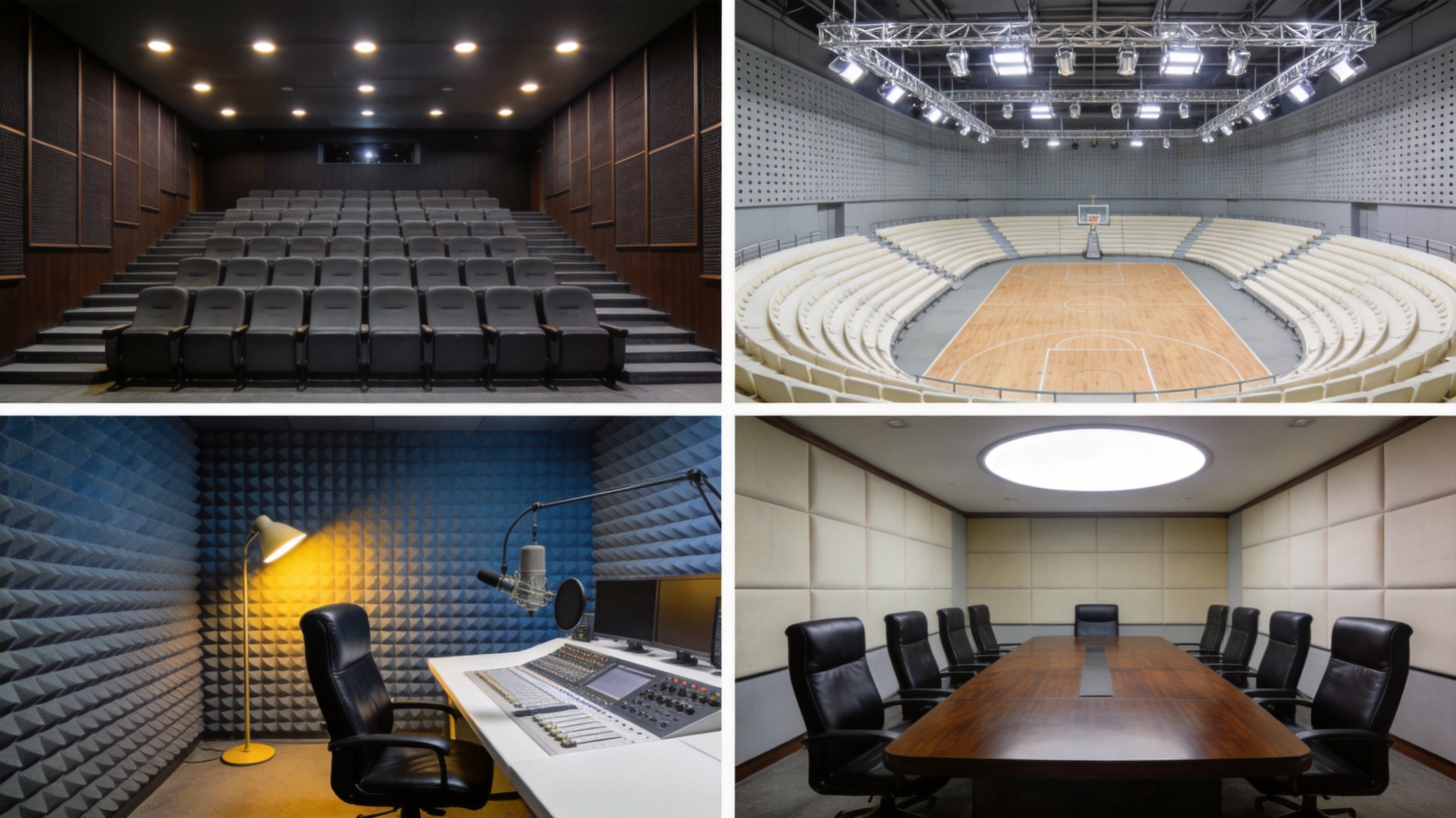
Melamine sponge can be processed into suspended space sound absorbers, wall sound-absorbing cushions, and ceiling filling materials, which can be placed inside gymnasiums, theaters, and conference rooms to effectively shorten the space reverberation time and optimize indoor acoustic effects. It can be used in shopping mall ceiling mezzanines and elevator shaft cavity fillings to absorb crowd noise, equipment room noise, and reduce heat and cooling losses in air conditioning systems. As the internal core material of road sound barriers, it can achieve a 20-35dB noise reduction effect, and its service life in outdoor environments can reach more than 15 years.
The material itself is light in weight, which greatly reduces the load on the ceiling and sound barrier infrastructure. The B1 level intrinsic flame retardant properties meet the fire acceptance standards for public buildings, solving the pain points of traditional sound-absorbing materials that are not fireproof and have too much weight, and achieve both acoustic experience, fire safety and lightweight.
Inside air conditioners, range hoods, dishwashers and various precision instruments, the internal assembly space is very compact, leaving very little installation gap for functional materials. During the operation of the equipment, the motors and fans produce vibration noise, and the components continue to generate heat while working. At the same time, the inside of the cavity is close to the circuit board. The material must have good insulation and flame retardant properties to avoid the risk of short circuit fire due to high temperatures. This puts forward multiple requirements for the filling material to be ultra-thin, sound-absorbing, heat-insulating, and flame-retardant.
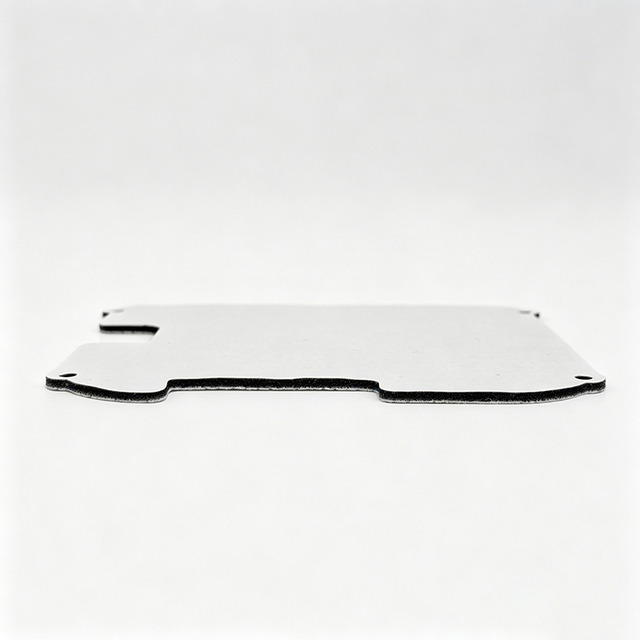
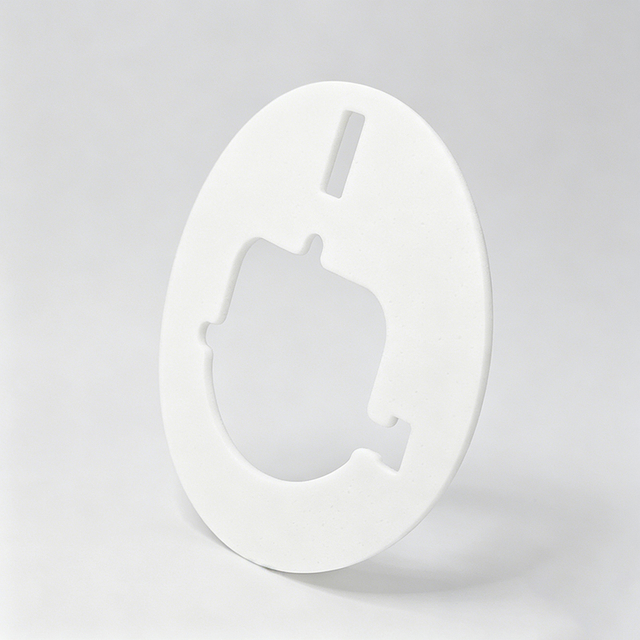
Traditional insulation and sound-absorbing materials are thick and difficult to fit into small cavities; flame-retardant foam relies on additives, and its performance declines after being heated for a long time; fibrous cotton materials shed debris, and debris falling onto the circuit board can easily cause equipment failure. Melamine sponge can be made into ultra-thin specifications, and after die-cutting, it can perfectly fit the irregular gaps inside the equipment. It also plays the dual roles of sound absorption and noise reduction and heat insulation and temperature control, reducing the operating noise of home appliances and reducing heat diffusion. The material is insulated and flame-retardant and will not cause safety hazards due to the heating of components. It helps home appliances achieve lightweight upgrades and extends the service life of the entire machine. It is in line with the current development direction of safety and miniaturization in the home appliance and precision instrument industries.
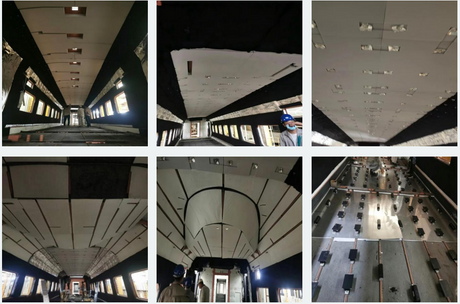
In addition to the above three mainstream scenarios, melamine sponge also has broad application prospects in fields such as Rail Transit, new energy energy storage equipment, laboratory acoustic treatment, and HVAC duct noise reduction. Different working conditions only need to be matched with customized processing such as adhesive backing, composite aluminum foil, hydrophobic treatment, and special-shaped die-cutting to adapt to diverse usage conditions.